Extended Detection and Response (XDR)
More Than Detection and Response Build a Closed Security Loop
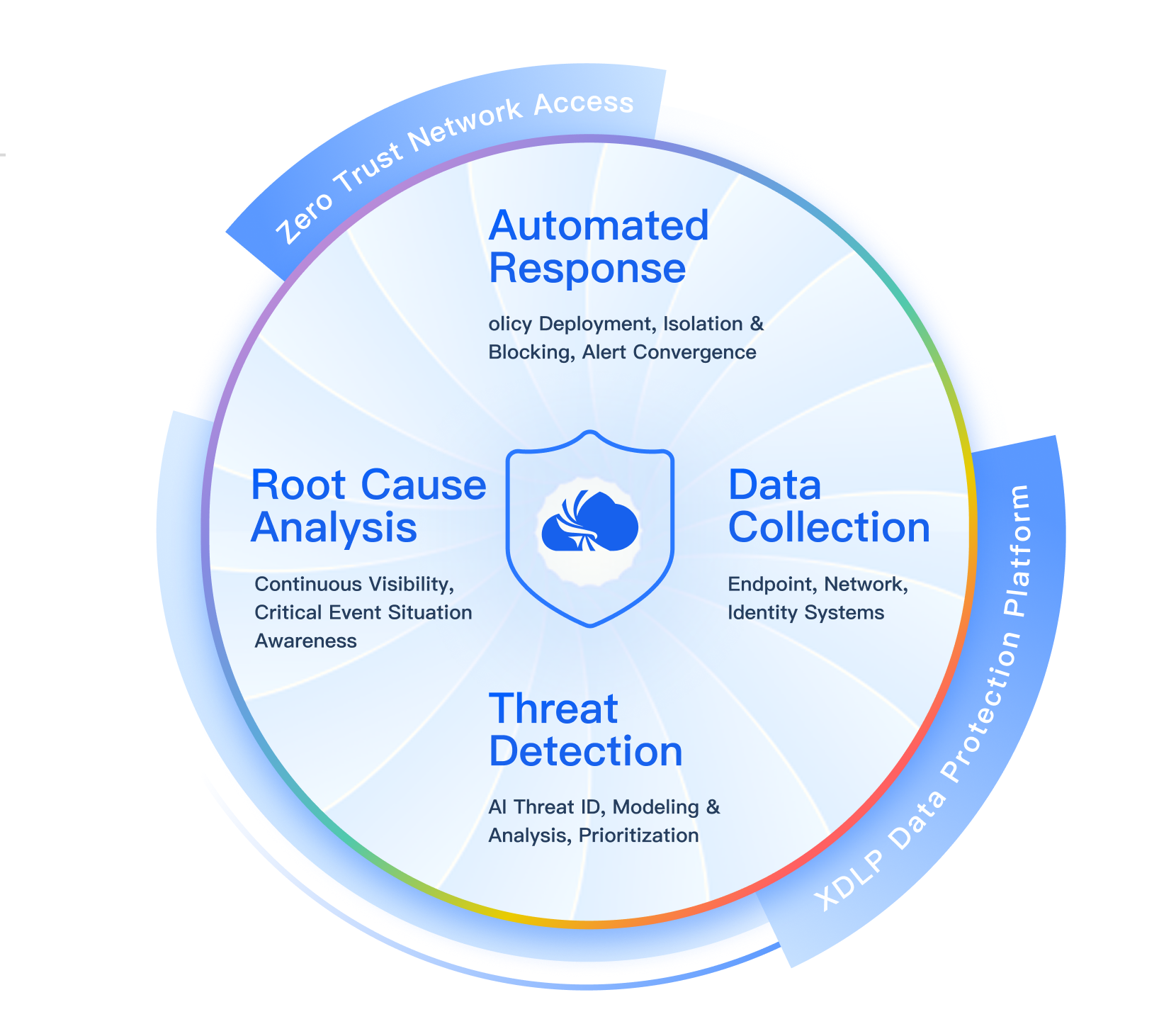





































Continuous Detection, Fast Response, Coordinated Reduction
Combine endpoint detection, attack tracing, whitelist control, and coordinated response to contain threats earlier.
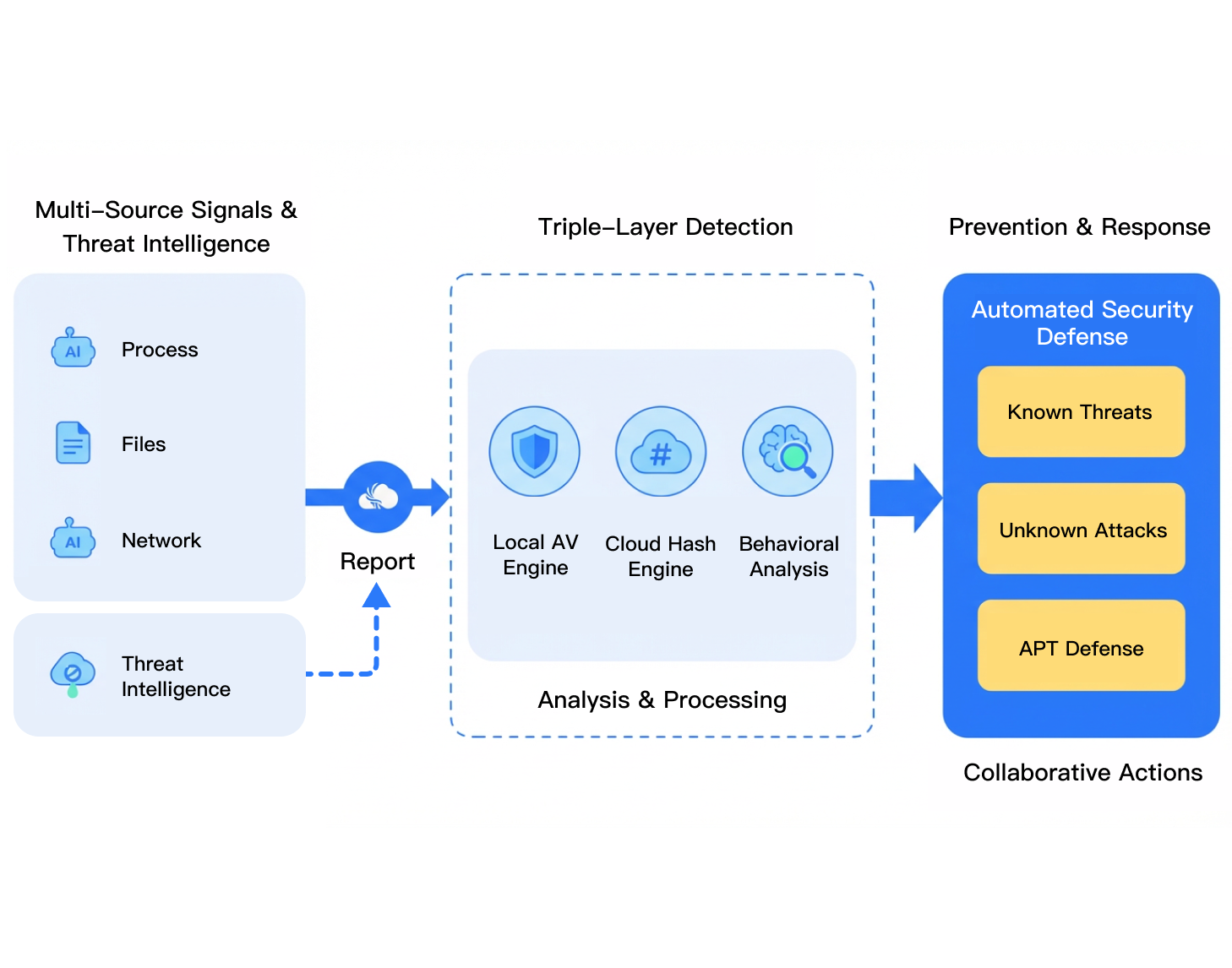
Multi-Dimensional Threat Detection and Blocking
Combines local AV engine, cloud hash engine, and behaviour analysis in a three-layer detection system. Powered by 3M+ global endpoint threat intelligence to detect and block known threats, unknown attacks, and APTs.


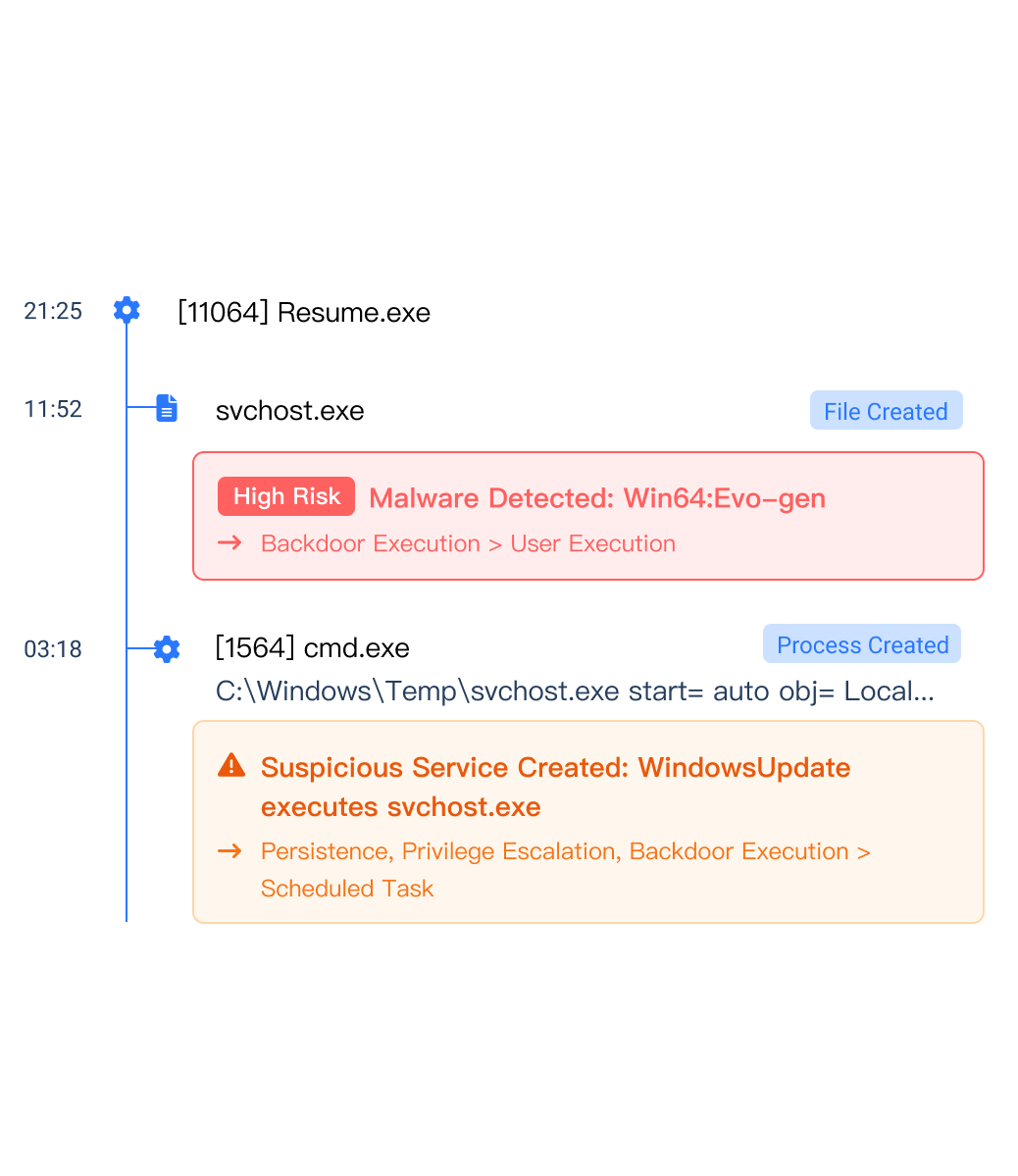
Attack Traceback and Threat Hunting
Full-chain endpoint behaviour logging helps security teams rapidly locate risk sources, propagation paths, and affected assets, improving remediation decision efficiency.


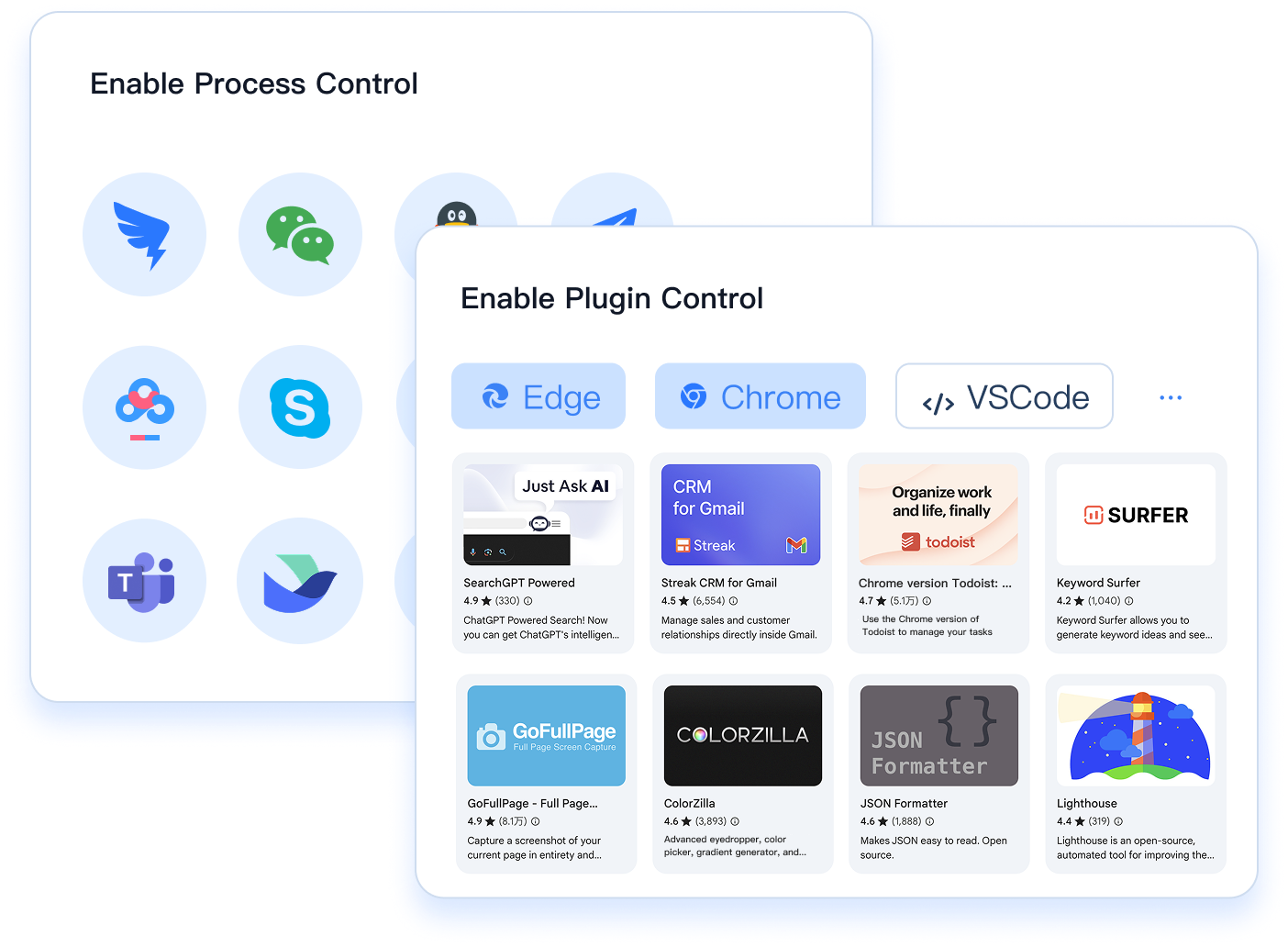
Whitelist and Minimum Exposure Control
Supports process and plugin allowlists with fine-grained configuration by department and role. Prevents unknown programs from running and high-risk extension abuse.


Automated Response Through Linked Policies
Trigger isolation, permission changes, or remediation actions automatically when endpoint risk is detected.
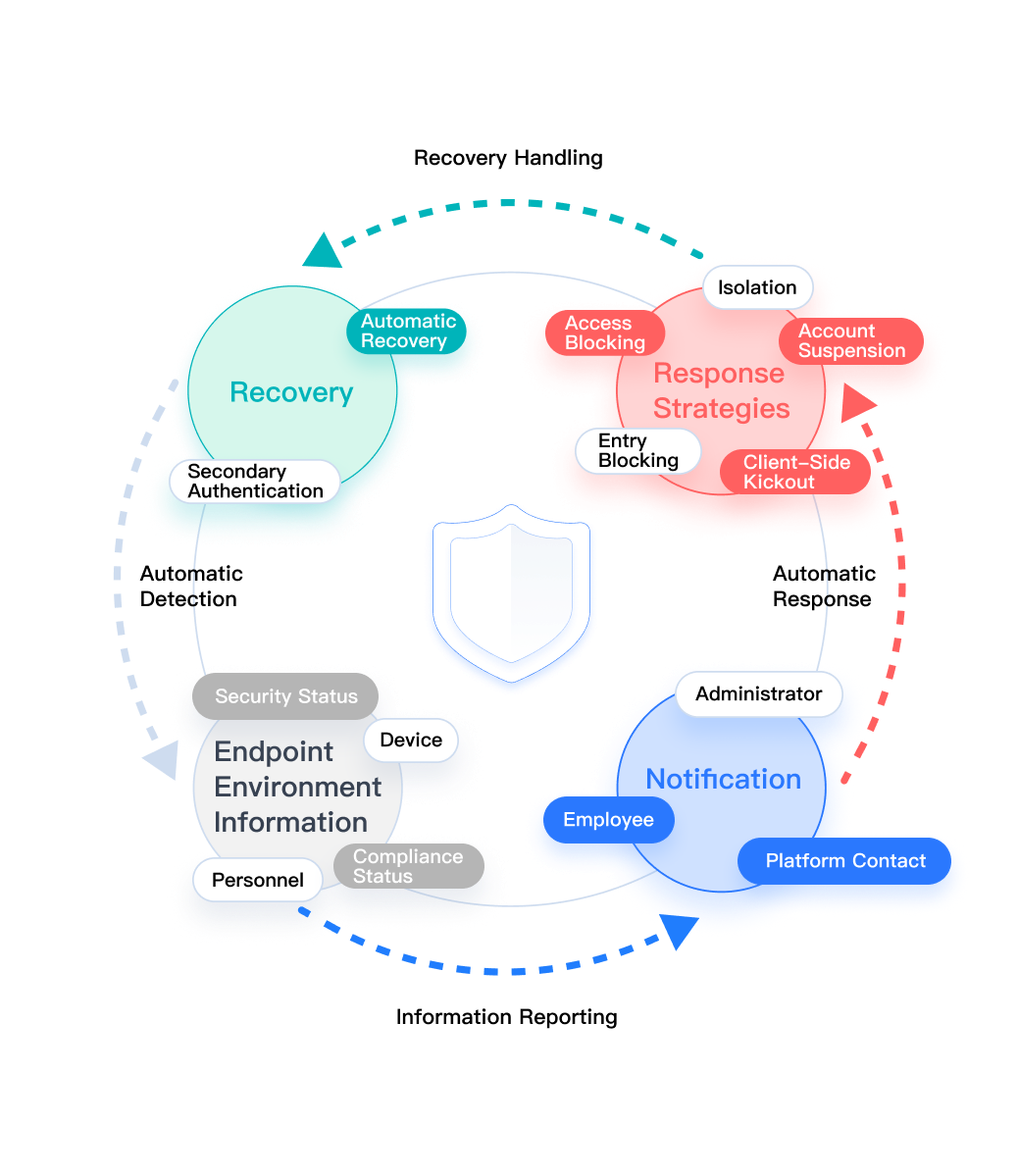
From endpoint visibility to closed-loop response Make threat response faster, more accurate, and more controllable
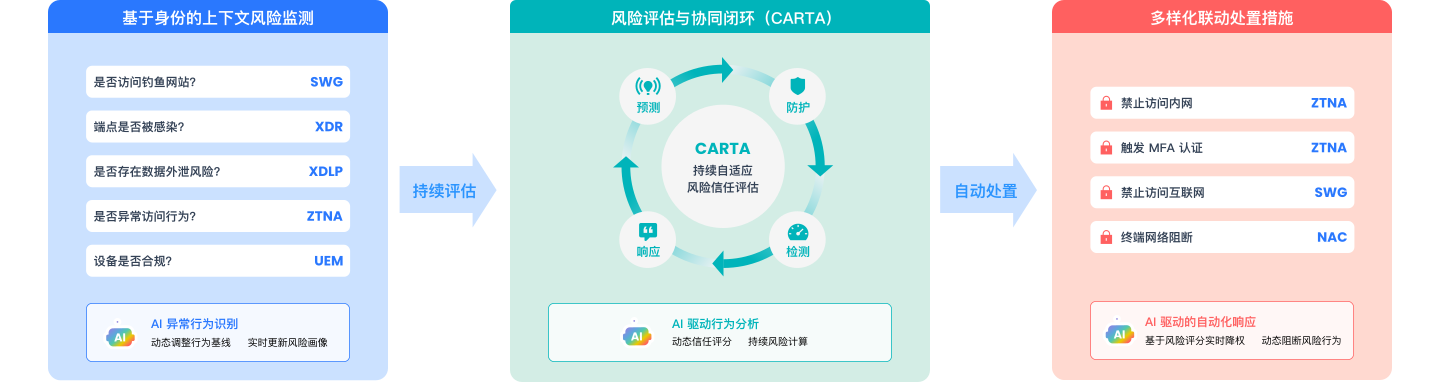

Detect earlier, respond faster, reduce spread Contain endpoint risk at the earliest stage


Clearer Risk Insight
Endpoint behaviour visualisation and attack chain tracing helps teams rapidly identify high-risk anomalies.


Higher Response Efficiency
Automatic policy coordination triggered on anomaly detection shortens the window from discovery to remediation.


Lower Lateral Movement Risk
Allowlist and attack surface containment policies reduce lateral movement opportunities, limiting incident impact.
Innovative companies choose Eagle Cloud to move faster
Leading customers in intelligent manufacturing, fintech, internet, and global business are building future-ready, efficient, and secure workplace platforms with Eagle Cloud.


Evaluating XDR?
Get the key details.
Understand detection, response loops, operations effort, and compatibility before investing in endpoint threat governance.